


Ghana Birding Tours
Ghana offers one of the most accessible and rewarding birding experiences in West Africa. With well-protected forests, open savannahs, rich wetlands and excellent infrastructure, it’s the perfect destination for birders looking to explore the region’s unique species in comfort and safety.
Home to over 770 recorded bird species, Ghana combines broad biodiversity with several regional specialities — making it an exciting destination for both seasoned listers and those seeking their first West African experience. Our Ghana birding tours focus on the key ecosystems and target species, delivering high-quality sightings, excellent guiding, and cultural richness along the way.
The star attraction for many is the rare and elusive White-necked Rockfowl (Picathartes gymnocephalus) — one of Africa’s most iconic and sought-after birds. Ghana is widely regarded as the most reliable place in the world to see it, with protected nesting colonies in the south that are carefully monitored by local conservation groups.
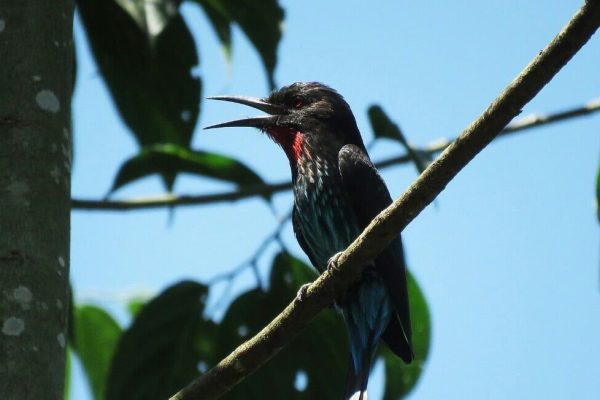
Other highlights include White-crested Hornbill, Black Bee-eater, Blue-moustached Bee-eater, Rosy Bee-eater, Forbes’s Plover, Brown-cheeked Hornbill, Nkulengu Rail, Egyptian Plover, and Upper Guinea forest endemics such as Green-tailed Bristlebill, Fire-bellied Woodpecker, and Rufous-winged Illadopsis.
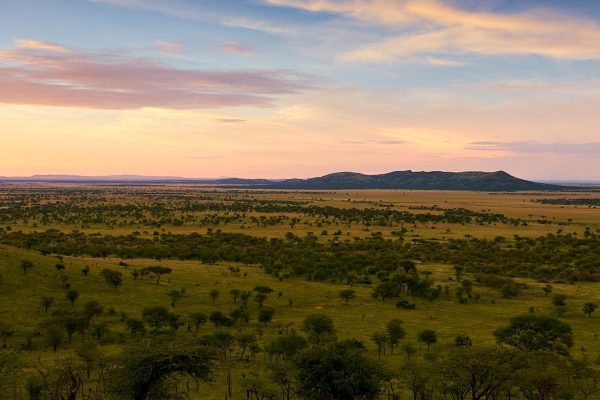
Our Ghana birdwatching holidays visit a range of habitats — from the coastal wetlands of Sakumono Lagoon to the tropical forests of Kakum and Ankasa, and northwards into the open savannahs and gallery forests of Mole National Park.
Birding infrastructure is excellent by West African standards, with canopy walkways, well-trained local guides, and comfortable accommodation options. This makes Ghana a particularly smooth and rewarding introduction to the region.
A 14-day itinerary will typically yield over 400 species, including several highly localised or regional endemics. The birding is exciting and immersive, with excellent chances for both forest skulkers and colourful open-country species.
Our Ghana Birding Tours
Tailor-made Ghana Birding Tours
At Wild Birding, all our Ghana birding tours are tailor-made. That means no fixed departures — just private trips designed around your target species, travel style, and pace.
Whether you’re travelling solo, as a couple, or with a private group of friends or photographers, we’ll build the ideal itinerary for you. Ghana’s varied birding sites — from coastal lagoons to rainforest trails and northern savannah — provide a diverse and rewarding experience.
We work with the top local guides in Ghana and conservation partners to give you the best chance of seeing the region’s key species — especially the highly sought-after White-necked Rockfowl, which we approach with care and respect. Logistics, accommodation, and route planning are all taken care of by our team.
We work closely with local guides and conservation groups to ensure access to sensitive areas, maximise your chances of seeing the trickier species, and keep your trip conservation-positive.
All logistics — internal flights, transfers, reserve permits and accommodation — are arranged for you, allowing you to focus fully on the birds and the incredible landscapes around you.
Reasons to Go on a Tailor-made Birding Tour in Ghana
–See White-necked Rockfowl reliably at well-protected nesting sites
– Explore a rich mix of rainforest, wetland and savannah habitats
– Travel on your own terms, with your own pace, group and dates
– Spot over 400 species in two weeks, including many Upper Guinea specials
– Enjoy seamless logistics, expert guiding, and comfortable lodges
– Add cultural, photographic or botanical elements to your tour
– Support local conservation through responsible travel and community-based tourism
– Combine Ghana with Togo or Benin for a broader West African experience
Let’s Create Your Perfect Birding Adventure in Ghana — Get in Touch Today!
Country info
Country
Ghana
Visa Requirements
Most travellers require a visa for entry, available via Ghana’s eVisa platform. A Yellow Fever vaccination certificate is required.
Languages spoken
English (official), with numerous local languages spoken throughout the country
Currency used
Ghanaian Cedi (GHS) — USD often accepted in lodges, with credit cards usable in major cities
Area (km²)
238,535 km²
When to Visit Ghana for Birding
Ghana is a year-round destination, but the best time for birding is during the dry season, from November to March. During this period, forest trails are more accessible, bird activity is high, and visibility is excellent.
- November–December: Ideal forest birding, warm temperatures and excellent visibility
- January–February: Peak dry season, especially good in the north; excellent for migrants
- March–April: Start of light rains in some areas; still great birding, often more vocal activity
- May–August: Wet season in southern forests — some sites more difficult to access
White-necked Rockfowl colonies are best visited from November to March, when nesting activity and trail conditions align well for sightings.
Call Us Today for Expert Advice on Your Birding Tour in Ghana or...
Sustainability & Citizen Science
Our Ghana birdwatching holidays are built on principles of low-impact, conservation-focused travel. We work with locally owned businesses, use professional Ghanaian bird guides, and support protected areas through responsible tourism.
Guests are encouraged to share their sightings on eBird, helping build long-term datasets for Ghana’s under-recorded bird populations. We also offer a carbon scoring and offsetting service for all tailor-made tours, helping you reduce your environmental footprint.
With Wild Birding, your trip isn’t just unforgettable — it’s part of something meaningful.
What to Bring on Your Ghana Birding Trip
Ghana’s warm and often humid climate means packing light and smart is key. You’ll need clothing suited to both tropical forest and open-country birding.
Essentials include:
- Light, breathable long-sleeved shirts and trousers
- Waterproof jacket or poncho (particularly for rainforest reserves)
- Sturdy walking shoes or lightweight hiking boots
- High-quality insect repellent and anti-malarials
- Sun protection — wide-brimmed hat, sunglasses, high-SPF sunscreen
- Binoculars, a camera with a zoom lens, and a notebook or eBird app
- Torch or headlamp for early starts and night birding
Field guides:
- Birds of Ghana by Nik Borrow & Ron Demey
- Birds of Western Africa by Nik Borrow & Ron Demey (for regional coverage)


