


13 Nov Masai Mara National Reserve or a Private Conservancy: Which Safari Is Right for You?
The Masai Mara is one of Africa’s great wildlife destinations, but deciding to visit it is only the beginning. Where you stay can change the pace of your safari, the number of other vehicles around a sighting, the activities available and how much time you spend travelling each day. The central choice is often between the Maasai Mara National Reserve, including the Mara Triangle, and one of the neighbouring community conservancies.
Neither is automatically better. For a first safari, a serious wildlife photographer, a family with young children or a traveller who particularly dislikes crowds, the right answer can be quite different. Here is how we would approach the decision when planning a private Kenya safari.
First, understand the geography
The National Reserve protects a large expanse of the Mara’s grasslands and river systems. The Mara Triangle is the western portion of the reserve, managed separately by the Mara Conservancy. Beyond the reserve boundaries lie community conservancies, including Mara North, Naboisho, Olare Motorogi and others. These are part of the same wider wildlife ecosystem, not fenced wildlife collections.
Animals move across these areas according to rainfall, grazing, water and other pressures. A lion or cheetah does not know whether it is inside the reserve or a conservancy. But the rules governing visitors, vehicles and activities can be very different. That is why the exact location of a camp matters more than the phrase ‘Masai Mara’ on a brochure.
The National Reserve: outstanding wildlife and classic Mara scenery
The reserve offers the open plains, riverine habitats and famous Mara River scenes that many travellers associate with Kenya. It is particularly appealing if seeing migration herds and, when conditions allow, river crossings is a major objective. Crossings are unpredictable, however: the season is not a booking guarantee, and even several days in the right area cannot promise one.
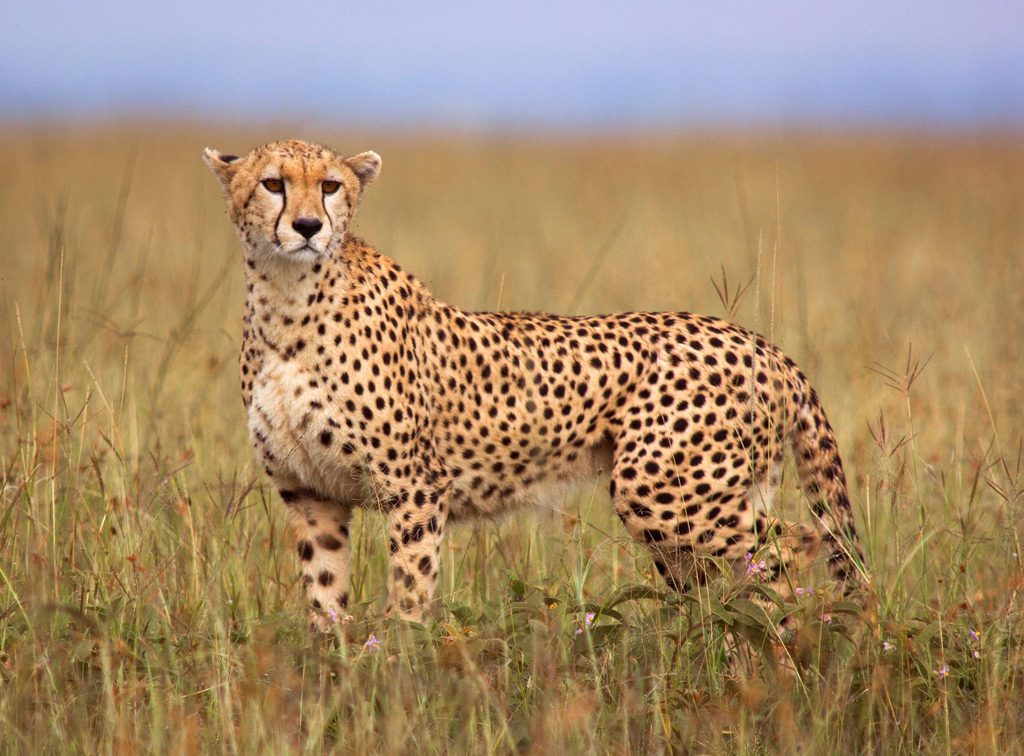
The reserve is also excellent outside migration season. Lion, cheetah, leopard, elephant, buffalo, giraffe and numerous antelope species can be found here throughout the year. Experienced guides know how to use the different habitats and avoid concentrating exclusively on the busiest wildlife sightings.
The trade-off is visitor pressure, especially in popular areas and peak periods. Several vehicles may gather at a well-known predator sighting. A private vehicle gives you control over your own time, but not over how many other visitors are in the same part of the reserve.
Another practical point is operating hours. The Mara Triangle currently lists gate opening at 06:00 and closing at 19:00, with no entry after 18:30. Do not assume that a lodge advertising a ‘Mara safari’ can provide night drives inside the reserve.
The conservancies: space, flexibility and different activities
The conservancies bordering the reserve operate through partnerships involving Maasai landowners and tourism businesses. The Maasai Mara Wildlife Conservancies Association describes a model in which landowners receive agreed lease payments, while protected habitat supports wildlife and tourism. This is an important reason to consider a conservancy, although the terms and benefits vary by area.
Many conservancy camps have limits on guest beds or vehicles and provide activities such as guided walks and night drives where authorised. These experiences can make a considerable difference. A walk with a qualified guide allows time to examine tracks, plants, insects and smaller wildlife; an evening drive can reveal species that are seldom encountered on a standard daytime safari.
The qualification matters: activities and access rules are not identical across conservancies. Always check what a particular camp can actually arrange, whether it includes the activity in its rate and whether children can participate.
Which conservancy should you consider?
Mara North
Mara North lies beside the reserve and includes varied plains, riverine woodland and established safari camps. It is a strong option for travellers seeking an intimate camp, good mammal viewing and the possibility of combining conservancy activities with reserve visits, subject to the relevant entry arrangements. Camp location within Mara North still matters: two properties in the same conservancy can offer different access and travel times.
Mara Naboisho
Naboisho is another compelling option for predator enthusiasts and travellers who prefer a lower-volume safari experience. The conservancy association highlights its lions, other big cats and birdlife, including dry-country species. It can be especially attractive for a safari built around patient observation, walking and the wider ecology rather than chasing a particular migration spectacle.
Olare Motorogi and other neighbouring areas
Olare Motorogi and the other conservancies deserve consideration on their individual merits. Some offer excellent access to predator territories, some suit a more secluded camp experience and others work well in a longer circuit. We would not choose one solely because a luxury lodge has the most striking photographs. The guide, vehicle arrangements, camp position and planned activities should all be part of the comparison.
What about the birding?
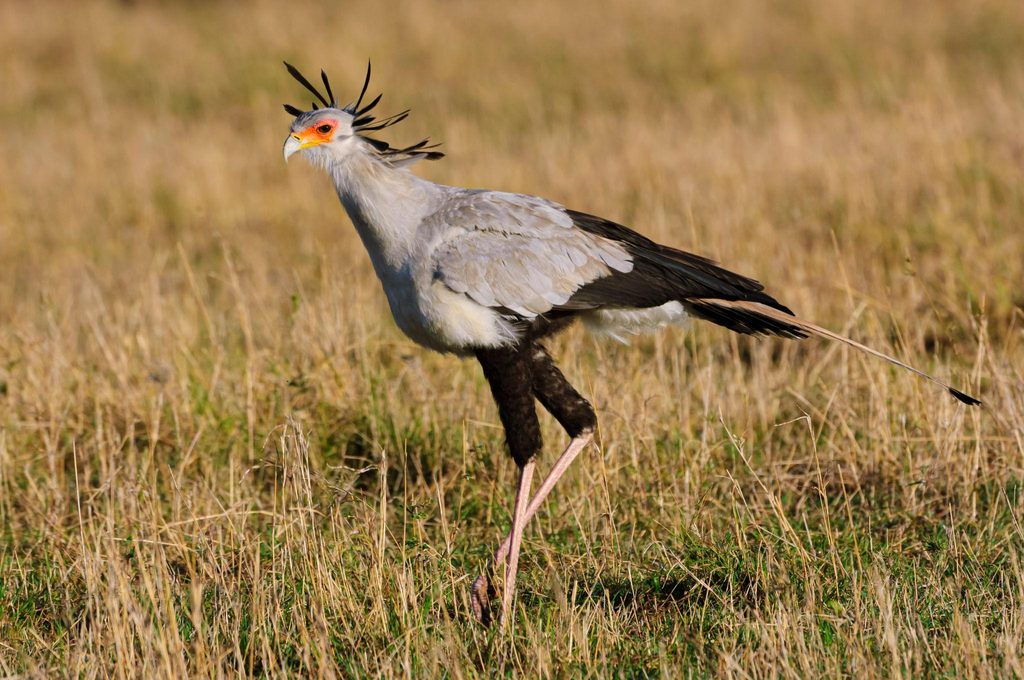
Of course, the Mara is not just about large mammals! Not to us anyway! Its open grasslands support Secretarybird, Kori Bustard, Southern Ground Hornbill and various larks and pipits. Woodland edges and river corridors add kingfishers, bee-eaters, hornbills and other species. Raptors are a major attraction, with vultures, eagles and Bateleur among the birds to look for.
For a dedicated birding safari, a private vehicle and a guide who is genuinely interested in birds are often more important than the most expensive accommodation. A photographer may want to spend half an hour with a perched raptor or wait for a bird to move into better light. That is difficult when sharing a vehicle with guests focused on the Big Five.
We also look beyond the Mara. If your targets include forest birds, Rift Valley waterbirds or Kenya’s northern dry-country specialists, adding Kakamega, Lake Baringo, Samburu or other habitats will usually be more productive than simply extending a grassland safari indefinitely.
Where to spend more — and where to save
A higher camp rate is not always wasted money. It may pay for a smaller property, better guiding arrangements, a stronger location or activities unavailable elsewhere. But ‘luxury’ does not automatically mean better wildlife. Some comfortable mid-range camps provide excellent guiding and straightforward access to the reserve.
Before comparing prices, establish whether each quote includes conservancy fees, reserve entry, transfers, private vehicle use, drinks, laundry, walks and night drives. A cheaper headline rate can look rather different once the activities you actually want are added.
If your budget is limited, we would normally protect the quality of the guide, the time in the field and the suitability of the location before paying for additional room features. Conversely, for a honeymoon or special occasion, a well-chosen luxury camp may be entirely worthwhile.
Can you combine the reserve and a conservancy?
Yes, and for some travellers this is the most satisfying arrangement. Three nights in a conservancy followed by two nights nearer a key reserve area, for example, can provide contrasting experiences without trying to see everything in a single rushed day. It is not always necessary to change camps, though: some conservancy properties offer reserve excursions. Check fees, journey times and access rules carefully.
The most common planning mistake is assuming all Mara camps are interchangeable. A transfer that looks short on a map may be slow on rough tracks, especially after rain. We prefer to build each day around a realistic amount of driving and the time of day when wildlife activity is likely to be best.
When should you go?
July to October is a popular period associated with the wildebeest migration, although exact movements vary each year. It can also be busy and expensive. Outside those months, resident predators and plains game still offer rewarding viewing. Green-season travel brings different light, lush scenery and interesting bird activity, with a greater chance of rain and sometimes difficult roads.
The right month depends on whether your priority is migration drama, photography, birding, fewer visitors or value. We would rather match the trip to those priorities than recommend a single ‘best’ month to everyone.
Our recommendation
Choose the National Reserve if classic Mara landscapes, broad game viewing and access to the famous river areas are your main priorities. Consider a conservancy if you value a quieter atmosphere, small camps and activities such as walking or authorised night drives. Combine both if your time and budget allow and the locations work logically together.
At Wild Birding, we organise private, tailor-made Kenya safaris for wildlife enthusiasts, photographers, birdwatchers and travellers who simply want to experience the country properly. We can compare luxury and mid-range camps, advise on the most useful areas and design a route around your interests rather than a standard package.
No Comments