



23 Nov Liwonde National Park: Malawi’s River Safari for Birds and Wildlife
Malawi is often overlooked when travellers compare Africa’s safari destinations. Yet for anyone who enjoys birds as much as mammals, Liwonde National Park deserves serious consideration. Its combination of the Shire River, floodplain, mopane woodland and riverine vegetation creates a varied safari without the need to change camps every day.
Why Liwonde is different
The Shire River shapes much of the experience. Boat excursions offer a completely different perspective from a game drive: hippos surface in the channel, crocodiles bask along the banks and waterbirds feed in the shallows. On land, tracks through woodland and open areas reveal another selection of species. This variety is Liwonde’s strength, particularly for a traveller who wants an unhurried itinerary.
Wildlife management has changed substantially over recent years. African Parks manages Liwonde in partnership with Malawi’s Department of National Parks and Wildlife, and major reintroductions have included predators and other large mammals. Nevertheless, this is not a destination where we would promise particular big-cat sightings. The attraction is the combination of habitat, conservation and a quieter style of safari.
Birding along the Shire River

Böhm’s Bee-eater by Hugh Chittenden
Birding from a boat can be particularly rewarding because the river offers clear views of birds that are difficult to approach on foot. African Fish Eagle is a characteristic sight, while African Jacana, African Openbill, various herons and egrets, and kingfishers may be encountered in suitable habitat. White-backed Night Heron is a much more specialised possibility: it is secretive and should never be presented as an expected sighting.
Pel’s Fishing Owl is one of the birds that makes Liwonde especially appealing to visiting birders. It occurs in riverine woodland but remains elusive, and locating one depends on luck, local knowledge and the conditions on the day. A good guide will know where to look without turning a holiday into a relentless search for a single bird.
Riverbank sightings are only part of the story. Woodland excursions broaden the list considerably, with hornbills, bee-eaters, woodpeckers and other species that are absent from the open water. Bird activity changes with season, rainfall and time of day, so a mix of boat trips and drives usually works better than relying on one activity alone.
What about the mammals?
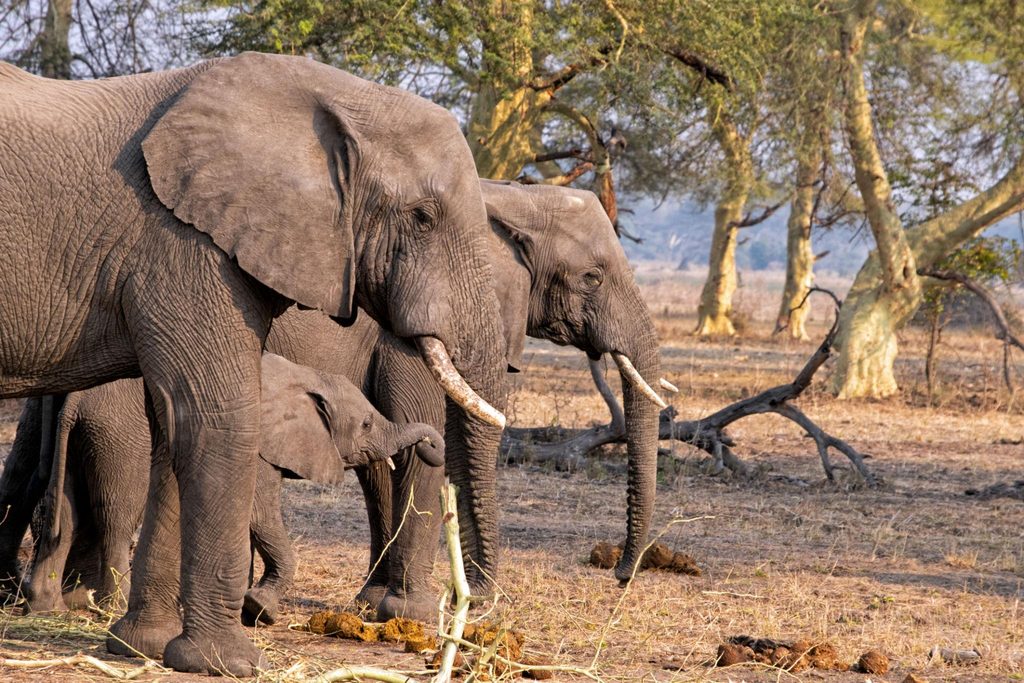
Elephants, hippos and crocodiles are among Liwonde’s better-known residents. Antelope, including waterbuck and impala, may be encountered, while rhinos and large predators are much less predictable. Wildlife movements can vary with water levels and the time of year. If your main priority is repeated sightings of lion, leopard or cheetah, it is worth discussing how Liwonde compares with other parks rather than assuming every safari destination offers the same experience.
When should you visit Liwonde?
The drier months, broadly from May to October, are often attractive for conventional safaris. As vegetation thins and water becomes more concentrated, some wildlife can be easier to see. Conditions can be particularly hot towards the end of the dry season. The wetter months bring greener scenery, breeding activity for many birds and a different atmosphere, but rain can affect access and some activities.
For keen birders, there is no single universally perfect month. Residents, seasonal visitors, breeding plumages and the condition of the floodplain all influence what you might see. We would choose dates around your target species and your tolerance for heat or rain, rather than recommend a month in isolation.
How long should you stay?
Three nights is a sensible starting point for many visitors. It allows time for more than one boat excursion and several drives, without feeling rushed. A fourth night gives additional flexibility for photography or a second attempt at a particular bird. Activity schedules, river conditions and accommodation location matter, so the programme should be checked with the lodge before travel.
Liwonde can also fit into a wider Malawi itinerary. A combination with the southern highlands or Lake Malawi adds contrasting landscapes and bird habitats. The best sequence depends on your arrival airport, available road transfers and whether you would prefer to travel slowly or see several regions.
Is Liwonde right for you?
We particularly like Liwonde for travellers who enjoy spending time with what they find, rather than racing between sightings. It is well suited to a mixed birding and wildlife holiday, couples with different interests, and photographers who appreciate the low angle of a boat on the river. A specialist birding guide can make a significant difference, especially when distinguishing similar species or searching woodland.
At Wild Birding, we plan private Malawi journeys around your interests, pace and preferred accommodation. If Pel’s Fishing Owl is on your wish list, or you simply want a relaxed safari with excellent birding variety, get in touch and we can discuss how Liwonde might fit into your trip.
No Comments