


12 Nov Wilderness Etosha: A New Safari Camp on Namibia’s Wilder Western Frontier
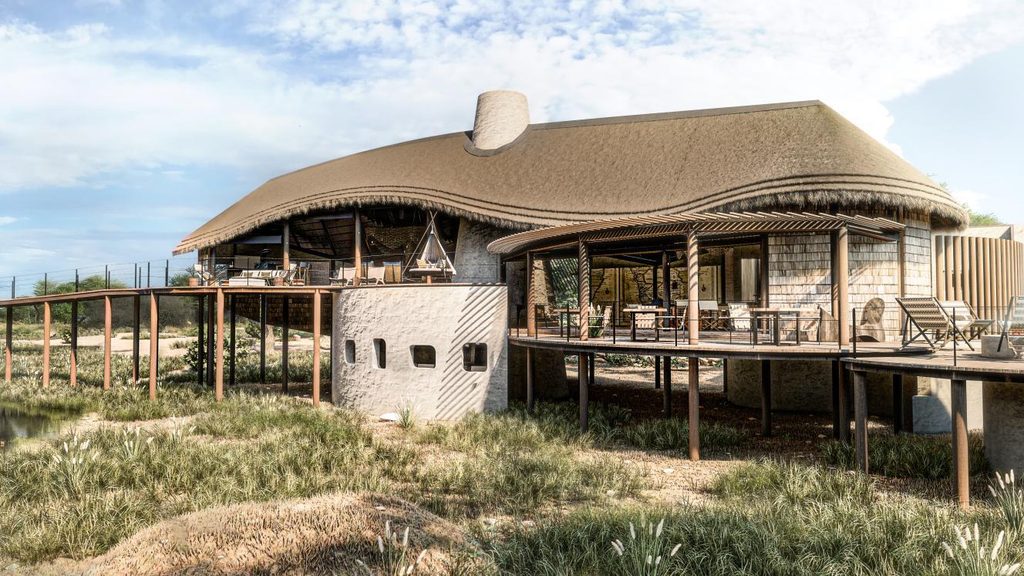
Wilderness has announced an eight-suite camp in the Hobatere Concession, adjoining the western boundary of Etosha National Park, with an anticipated opening in mid-2027. Rather than simply repeating the announcement, today’s article examines the wildlife, birding, accommodation appeal and how we would incorporate the camp into a well-planned Namibia safari.
Why western Etosha is different
Most first-time visitors experience Etosha through its established southern and eastern routes, stopping at waterholes and scanning open country for elephant, lion, giraffe, zebra and antelope. This remains an excellent way to see the park, particularly during the drier months when animals gather around dependable water.
Western Etosha offers a different perspective. Around Hobatere, the landscape becomes more rugged and varied. Rocky ground and seasonal drainage lines interrupt the open plains, and wildlife moves between the park and neighbouring conservation areas. The appeal is not that the west necessarily produces more sightings than the better-known waterholes. It is the chance to explore a quieter, more varied landscape with a stronger sense of the wider ecosystem.
What has been announced about Wilderness Etosha?
According to Wilderness, the camp will have eight guest suites on a private 4,200-hectare concession adjoining Etosha’s western boundary. Planned activities include game drives on the concession, guided walks, a photographic hide overlooking a waterhole and in-room wellness treatments. The operator currently gives the opening window as mid-2027, rather than confirming an exact date on its official camp page.
The small number of suites is significant. For travellers who value space and time to observe wildlife, an intimate camp can be more attractive than a large property, although actual guiding standards, vehicle occupancy and the quality of sightings will need to be assessed once it is operating. We would not recommend treating any new opening as a proven favourite before it has welcomed guests.
The wildlife: what should you expect?
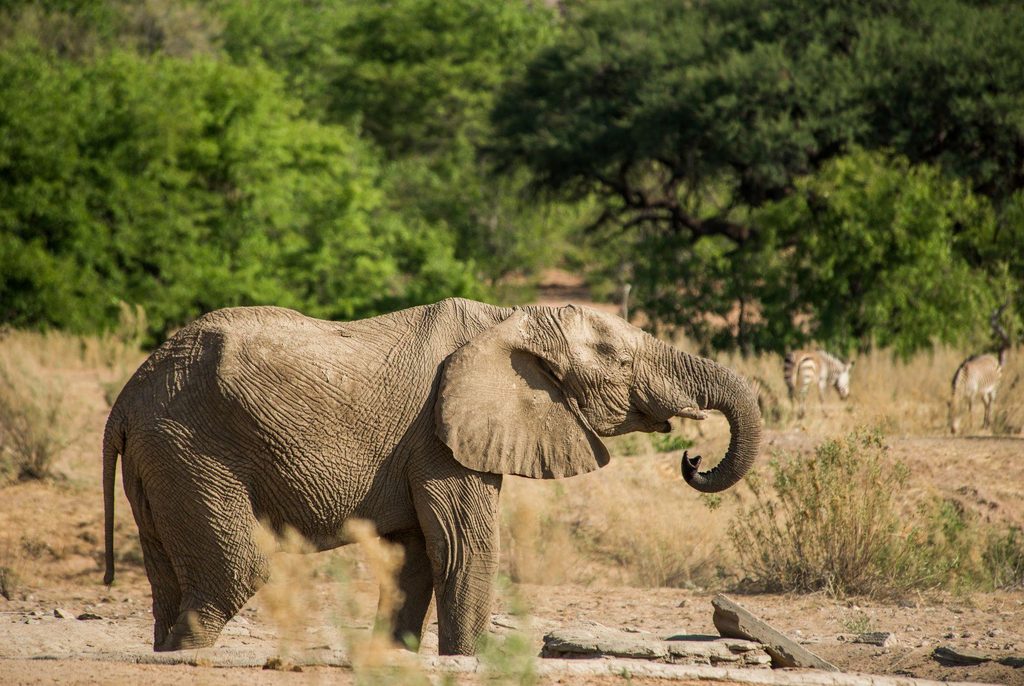
Etosha is rightly famous for large mammals, particularly elephant, lion, black rhino and an excellent selection of dry-country antelope. In the wider western ecosystem, species such as Hartmann’s mountain zebra, kudu, gemsbok and giraffe add interest to the rocky and semi-arid habitats. As always, sightings depend on rainfall, animal movements, guiding and time spent in the field.
The most interesting aspect of the new camp may be the relationship between wildlife and the surrounding terrain. Animals do not recognise park boundaries. Access to water, forage and safe movement routes determines how they use the landscape. The Hobatere area forms part of the broader connection between Etosha and north-western Namibia, making it particularly relevant to conservation-minded visitors.
And what about the birds?
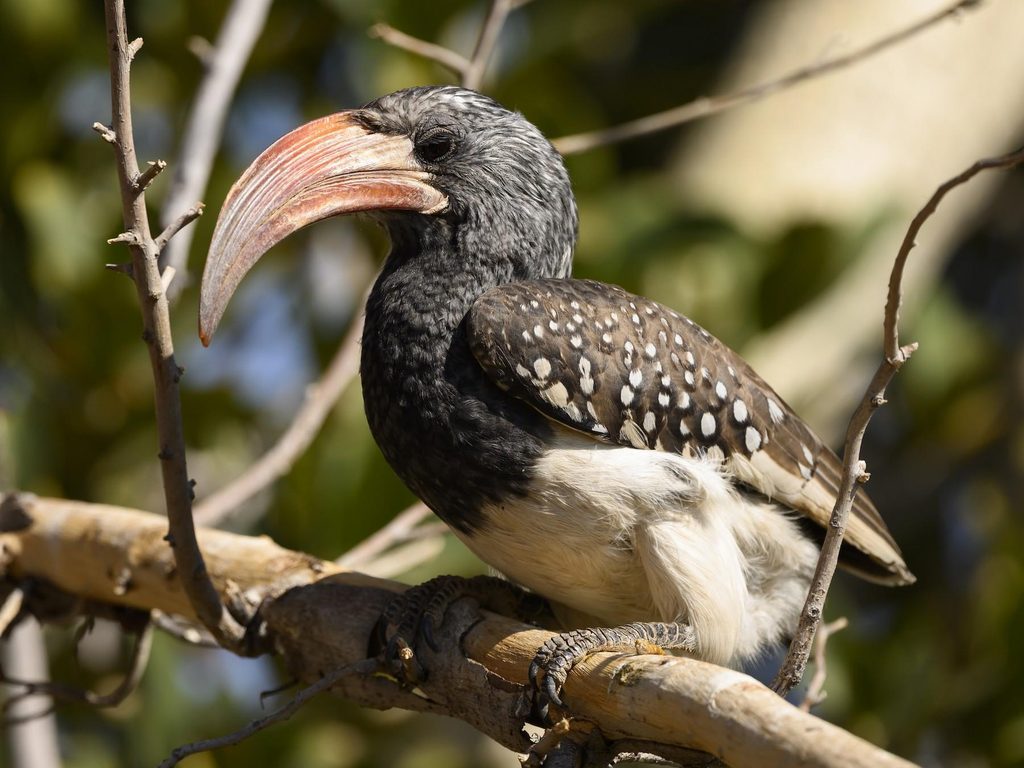
Although Wilderness Etosha is being introduced primarily as a luxury wildlife camp, the habitat should also appeal to birdwatchers. The dry woodlands and rocky country of north-western Namibia warrant attention for species such as Monteiro’s Hornbill, Bare-cheeked Babbler, White-tailed Shrike and Rüppell’s Parrot, while the broader Etosha region is notable for Kori Bustard, Secretarybird and a wide range of raptors.
These are regional possibilities, not a verified species list for the new concession. A serious birding itinerary should still allocate time to other habitats: the Erongo Mountains for escarpment and rocky-country specialists, the coast for flamingos and shorebirds, and the north-east for riverine and wetland species. A beautiful camp is no substitute for selecting the right habitats for your target birds.
Is this a better choice than staying inside Etosha?
Not automatically. The established camps within Etosha offer access to famous waterholes, and some provide rewarding wildlife viewing even after returning from a drive. For visitors with limited time or a particular interest in photographing animals at water, those locations remain compelling.
Wilderness Etosha could suit travellers who have already experienced the classic circuit, prefer smaller luxury properties, or want to combine wildlife viewing with guided walks and time in a hide. Its private-concession setting also offers a different experience from driving the public park roads. However, the price, final operating arrangements and practical park access should be compared carefully with alternatives before making a booking.
How we would fit it into a Namibia safari
Our first consideration would be the whole journey, not just the camp. Namibia is a large country, and ambitious itineraries can lose too much time to driving. Rather than trying to cover the Namib Desert, coast, Damaraland, Etosha and the north-east in a handful of days, we prefer to choose a realistic route and give each region enough time.
Option one: a luxury north-western Namibia safari
Combine the Erongo region, Damaraland and western Etosha, with a carefully planned transfer schedule. This offers a mixture of granite landscapes, desert-adapted wildlife, local conservation initiatives and classic game viewing. A second Etosha base farther east may make sense if waterhole photography and broader park coverage are priorities.
Option two: wildlife and birding across Namibia
For a longer trip, combine the Namib Desert and coast with the escarpment, Etosha and the greener Kavango–Zambezi region. The change in habitats is enormous. This is the more rewarding approach for travellers hoping to see Namibia’s distinctive desert birds alongside mammals, wetland birds and a wide selection of southern African wildlife.
Option three: a short Etosha-focused extension
If you are already travelling through Namibia, a few nights in the western region could add a contrasting experience. We would normally allow at least two full days for activities rather than arrive late, take one drive and leave the following morning. The right length depends on the final access arrangements and how the camp fits into your route.
When is the best time to visit?
The dry season, broadly May to October, is often favoured for mammal viewing around Etosha because vegetation is thinner and water becomes increasingly important. June to August can bring cold mornings and nights, particularly in open vehicles. Later in the dry season, conditions can become hotter and dustier.
The wetter summer months bring greener scenery, breeding activity and seasonal bird movements, although wildlife can be more dispersed and some roads more challenging. For keen birdwatchers, this can be a very rewarding period. Since Wilderness Etosha is not yet open, its own seasonal strengths still need to be demonstrated in practice.
Our view: a promising addition, but choose it for the right reasons
We are pleased to see a small camp drawing attention to western Etosha and the conservation value of the wider landscape. The combination of a private concession, guided walking and a waterhole hide is appealing, particularly for travellers who enjoy observing behaviour rather than simply accumulating sightings.
But we would resist calling it Namibia’s best new safari camp before opening. Accommodation, guiding, wildlife activity, value and logistical convenience all matter. A thoughtfully chosen mid-range lodge in the right location can sometimes deliver a better safari than an expensive camp that does not suit your interests.
At Wild Birding, we design private wildlife and birding holidays around the animals you want to see, the places you want to explore and the level of comfort you prefer. If Wilderness Etosha interests you, we can consider it alongside other options and build a Namibia itinerary that makes sense as a whole.
Explore our Namibia wildlife and birding holidays, or see an example of a tailor-made Namibia wildlife itinerary.
Plan your Namibia safari
Tell us which wildlife and birds interest you, when you hope to travel and whether you prefer luxury, mid-range accommodation or a combination. We will help you choose the right places and pace for your trip. See another Namibia itinerary example.
Sorry, the comment form is closed at this time.