

Wild Namibia: Birds, Dunes & Desert Wonders

Journey from The Namib Desert To The Caprivi Strip

Wild Namibia: Birds, Dunes & Desert Wonders

per person

From the giant sand dunes of Sossusvlei to the lush Caprivi Strip, join us on an extraordinary birding tour across Namibia’s varied landscapes on this classic birding circuit of Namibia

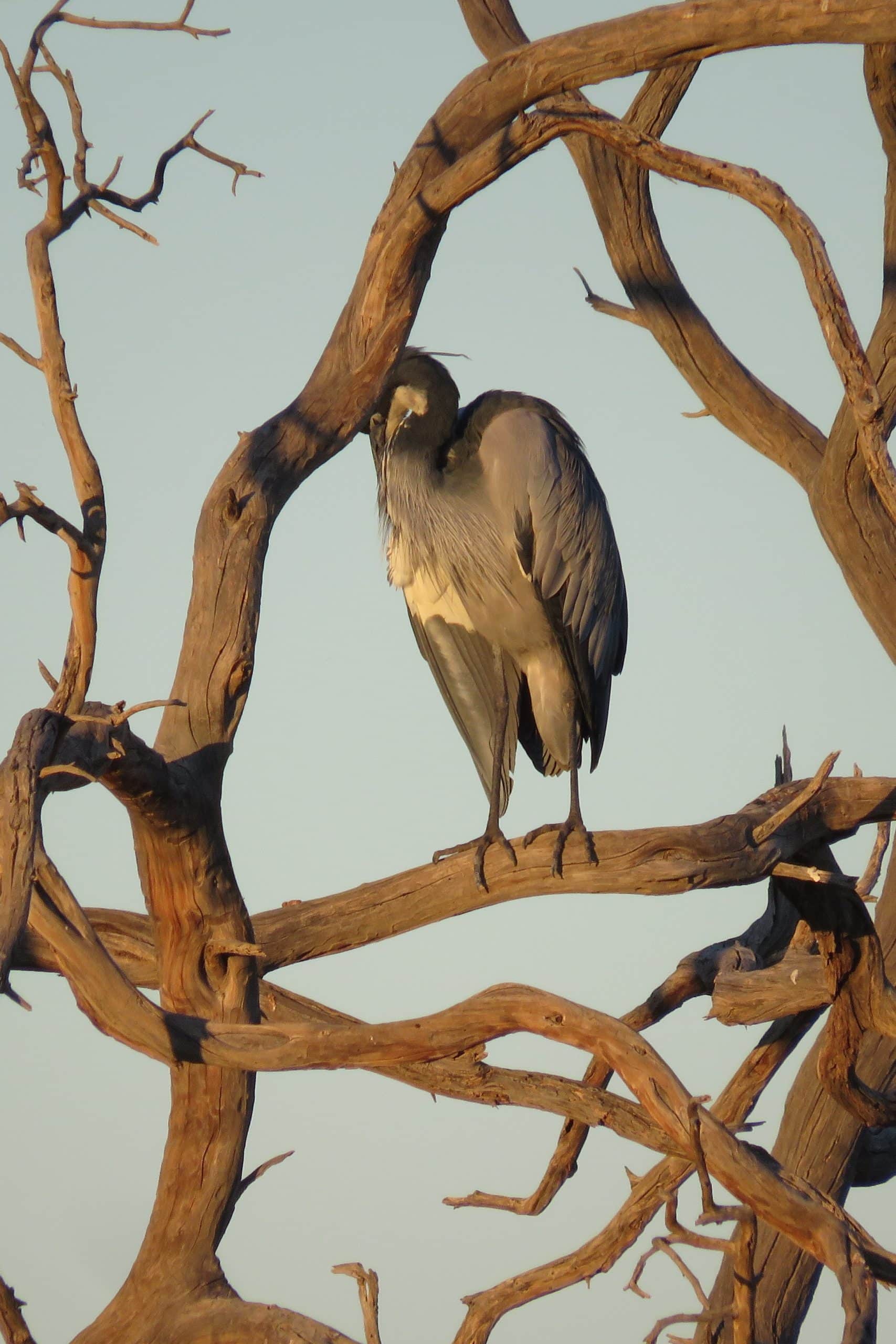
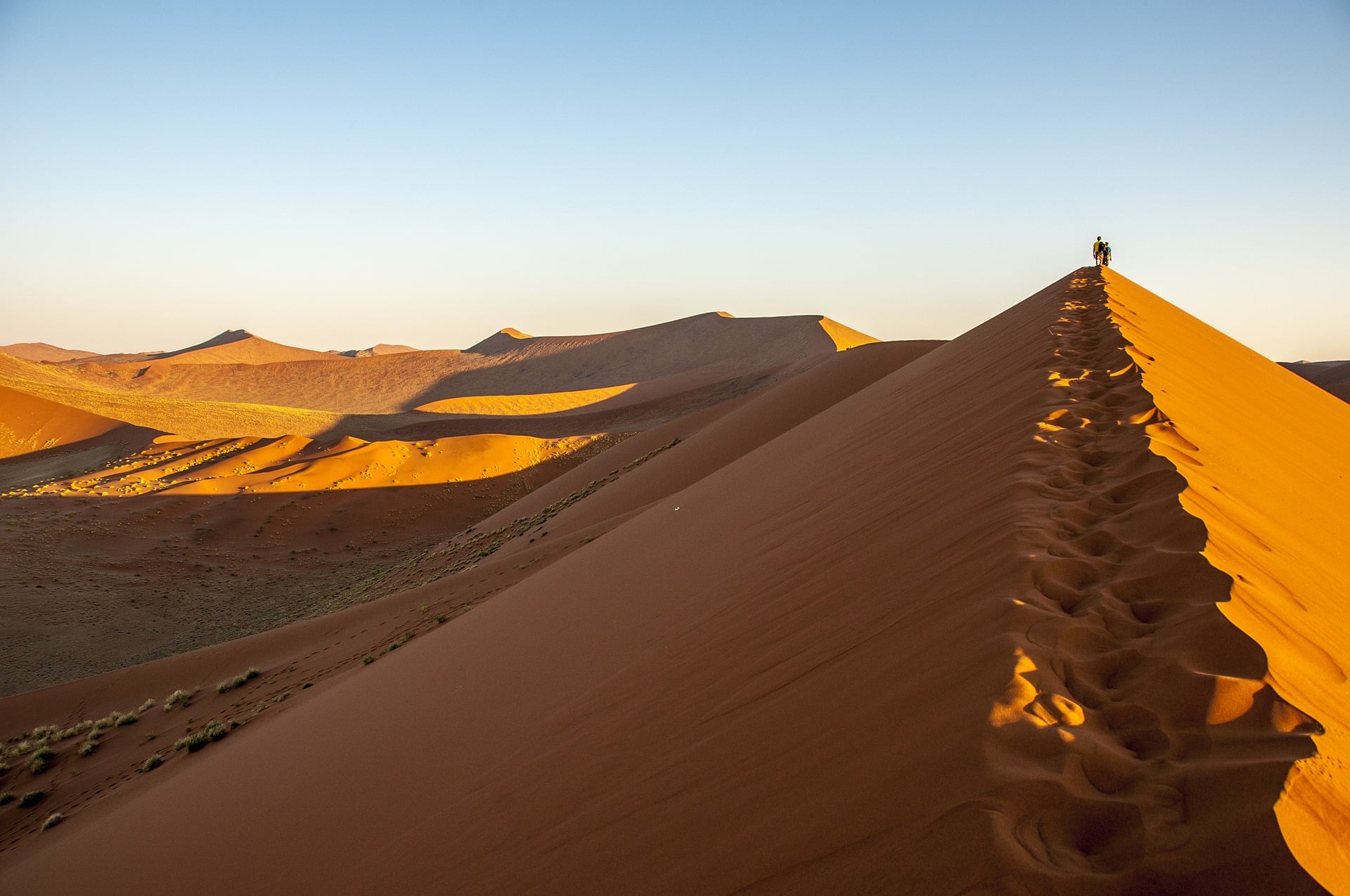
We start in the vibrant capital, from where we drive to the coastal city of Walvis Bay. Along the way, we pause at the towering dunes of Sossusvlei in the Namib Desert to seek out Namibia’s endemic species, the Dune Lark. Continuing north, we explore the stunning Namib Escarpment, which is home to specialized and near-endemic bird species. Our next destination takes us to the breath-taking Etosha National Park, Namibia’s most visited. Heading eastward, we immerse ourselves in the lush wetlands of the scenic Caprivi Strip. Finally, we arrive at the stunning Okonjima Nature Reserve before returning to Windhoek, having explored some of Namibia’s best birding locations.


Throughout this tour, we’ll diligently seek out Namibia’s array of unique specials and near-endemics, including the country’s sole endemic species. From desert marvels like Rüppell’s Korhaan and the fascinating Dune and Gray’s Larks to coastal delights such as the Damara Tern and Chestnut-banded Plover, our quest covers diverse habitats and species. Sossusvlei, renowned for its breathtaking Namib Desert landscapes, promises an unforgettable experience as we delve into its heart. Exploring the Namib Escarpment, we’ll meticulously seek out treasures like the Herero Chat, Rockrunner, White-tailed Shrike, Monteiro’s Hornbill, Hartlaub’s Spurfowl, and a host of others, ensuring a thorough exploration of this captivating region.

Namibia birding tours

Bird count:  

Over 400.


Pace:

Slow/medium – this tour was designed to allow enough time at each destination to gain all target species, whilst also allowing time to enjoy each exciting area.


Difficulty:

Easy/Moderate – majority of birding activates are achieved either on-foot or in the safari vehicle, along with many boat rides along the Caprivi Strip. Please consider the sun, which in the Namib desert gets very hot during the midday sun. 


Best time of year:

Birding and game viewing is excellent al year round, but the best time for birding in Namibia coincides with the rainy season, spanning roughly from November to April. This period welcomes numerous migratory species, along with many resident species. Abundant food sources during this time see many species adorned in vibrant breeding plumage. Simultaneously, Namibia’s chilly yet bountiful ocean shores allure significant permanent populations of coastal birds, creating a haven for bird enthusiasts year-round.


Sustainability:

Wild Birding designs birding and wildlife holidays that support conservation, empower local communities, and tread lightly. We work exclusively with trusted local guides and conservation-minded lodges, avoid crowded circuits, and keep group sizes small to minimise our impact. We actively encourage guests to take part in citizen science through eBird, and we’ve partnered with Sustainable Travel to offer optional carbon offsetting and direct support for local conservation projects.


Price:

Our tailor-made birding tours are custom-designed for each client, making standard pricing difficult. Costs vary based on factors like accommodation, group size, duration, and specific locations. For a personalised quote that matches your taste and budget, please contact us with your requirements.

As an example, this Wild Namibia: Birds, Dunes & Desert Wonders costs £4,635 per person, based on a group of 6 individuals staying in top-end mid-range safari lodges with shared twin rooms.


For our Set Departure Birding Tours, with fixed prices, please click the button below

Tour Leader:

Namibia birding tours

Steve Braine, residing in Windhoek, Namibia, alongside his wife Louise, is a dedicated naturalist and birding enthusiast. Their two grown-up sons, Sean and Dane, share their passion for wildlife and photography.


Introduced to the wonders of wildlife and natural history at an early age by his father, Steve inherited a profound love for birds and butterflies. Notably, Steve holds a unique distinction in Namibia, being the only person with four butterflies named after him—a testament to his exceptional connection with the local fauna.


Over the years, Steve has evolved into one of Namibia’s leading experts in birding and natural history. His journey began with a stint as an exploration geologist, but his passion for nature led him to study nature conservation. Steve spent nine transformative years in Skeleton Coast Park, an experience that laid the foundation for his expertise and deep affection for the Namib Desert.

Previously owners of the remote Hobatere Lodge on the western border of Etosha, Steve and Louise have transitioned into leading ornithological and wildlife tours across Namibia. Steve’s expertise extends beyond borders, guiding tours to Botswana, Angola, South Africa, Zambia, and other captivating destinations. His tours offer a unique opportunity to explore and appreciate the rich biodiversity of these regions under the guidance of a seasoned naturalist and birding expert.

Bird Species Highlights

  • Dune Lark
  • Rüppell’s Korhaan
  • Burchell’s Courser
  • Namaqua Sandgrouse
  • Damara Tern
  • Chestnut-banded Plover
  • Gray’s Lark
  • Karoo Long-billed Lark
  • Benguela Long-billed Lark
  • Herero Chat
  • Rosy-faced Lovebirds
  • Damara Red-billed Hornbill
  • Monteiro’s Hornbill
  • Hartlaub’s Spurfowl
  • White-tailed Shrike
  • Rockrunner
  • Pygmy Falcon
  • Kori Bustard
  • Senegal Coucal
  • Pale Chanting-Goshawk
  • African Scops Owl
  • Wattled Crane
  • Black-winged Pratincole
  • Double-banded Courser
  • Temminck’s Courser
  • Arnot’s Chat
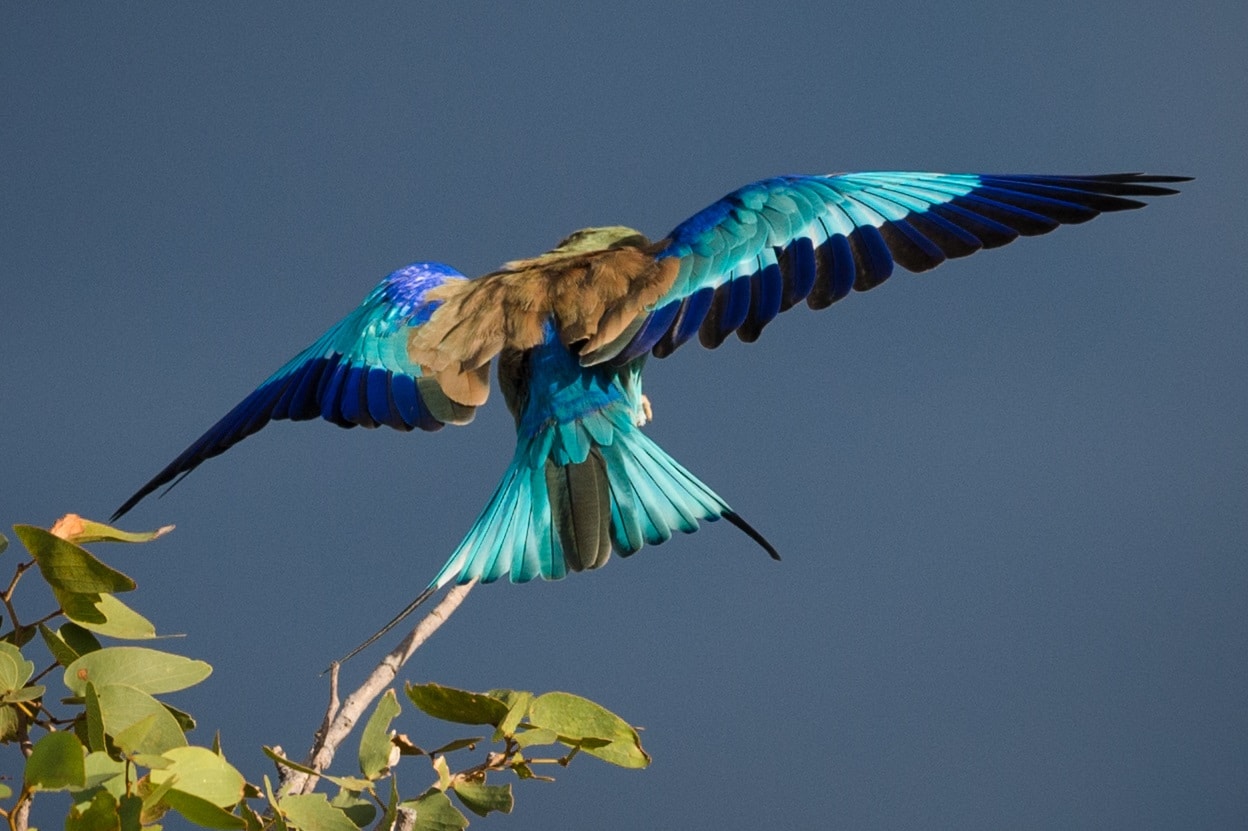
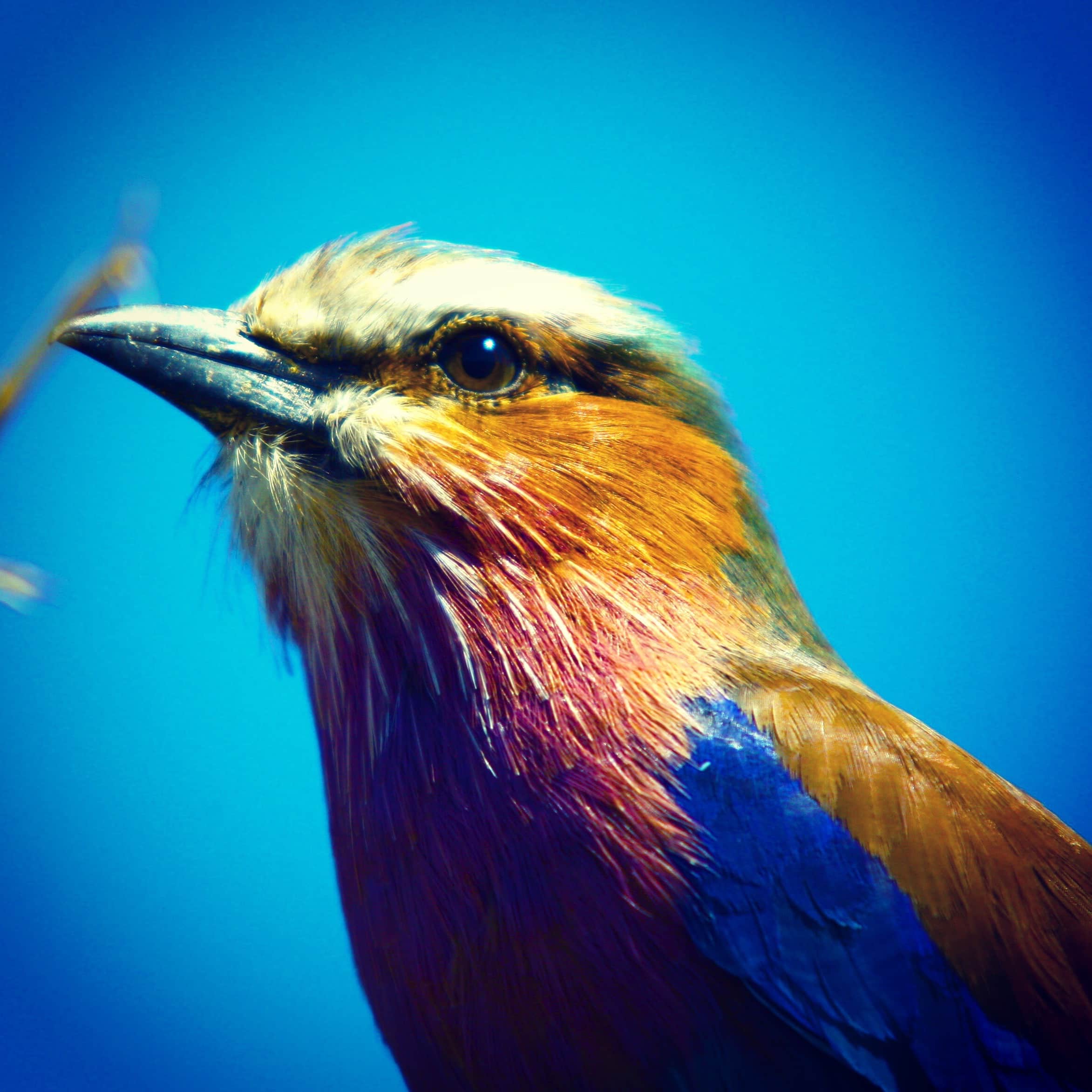
  • Racket-tailed Roller
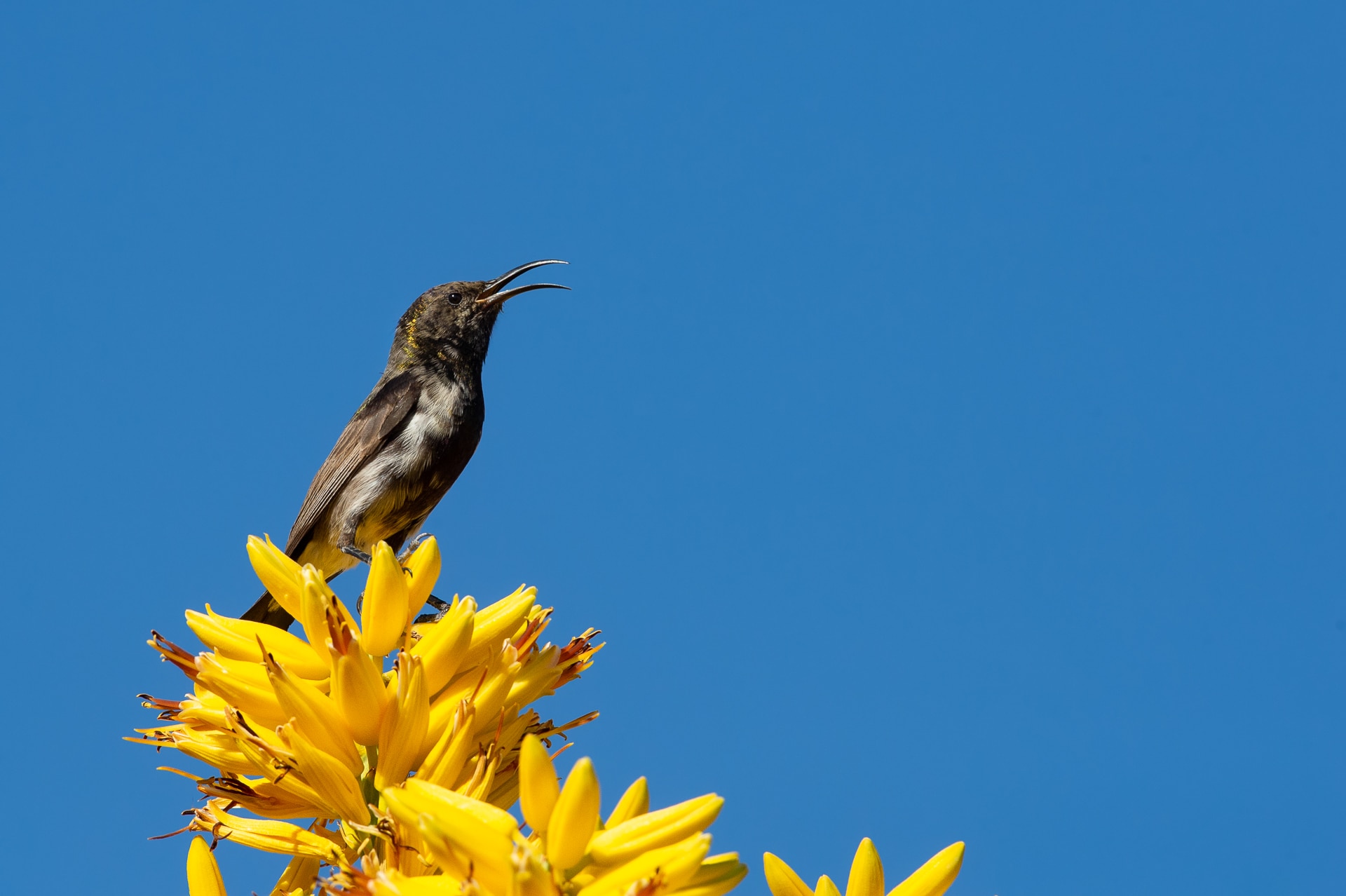
  • Copper Sunbird
  • Grey-headed Bushshrike
  • Western Banded Snake Eagle
  • African Finfoot
  • Half-collared Kingfisher
  • Rock Pratincole
  • Rufous-bellied Tit
  • Collared Pratincole
  • Baillon’s Crake
  • Greater Painted-snipe
  • Green-capped Eremomela
  • Sharp-tailed Starling
  • Souza’s Shrike
  • Swamp Boubou
  • Rufous-bellied Heron
11 Days
  • Departure
    Windhoek
  • Included
    Airport Transfers
    Birding Telescope
    Full board (Breakfast, Lunch & Dinner)
    Mineral Water
    National Park Fees
    Overnight In Top Safari Lodges
    Professional Bird Guide
    Professional Driver
    Safari Vehicle
    Updated Bird Checklist
    WiFi
1
Arrival in Windhoek – Birding at Avis Dam
Arrive in Windhoek and transfer to Vondelhof Guesthouse. Depending on arrival time, enjoy an optional birding session at nearby Avis Dam. Targets include Rockrunner, Monteiro’s Hornbill, and White-tailed Shrike.
2
Drive to the Namib Desert – Little Sossus Lodge
Depart Windhoek and travel south-west through semi-arid savannah into the Namib Desert. Arrive at A Little Sossus Lodge in the afternoon. Look out for Rüppell’s Korhaan, Pale Chanting Goshawk, and Sociable Weaver en route.
3
Sossusvlei Dunes & Desert Birding
Early start for Sossusvlei, home of the iconic red dunes. Birding focus includes Dune Lark (Namibia’s only endemic), Stark’s Lark, and Tractrac Chat. Afternoon birding near Sesriem for Lark-like Bunting and Cinnamon-breasted Warbler.
4
Drive to the Coast – Walvis Bay & Swakopmund
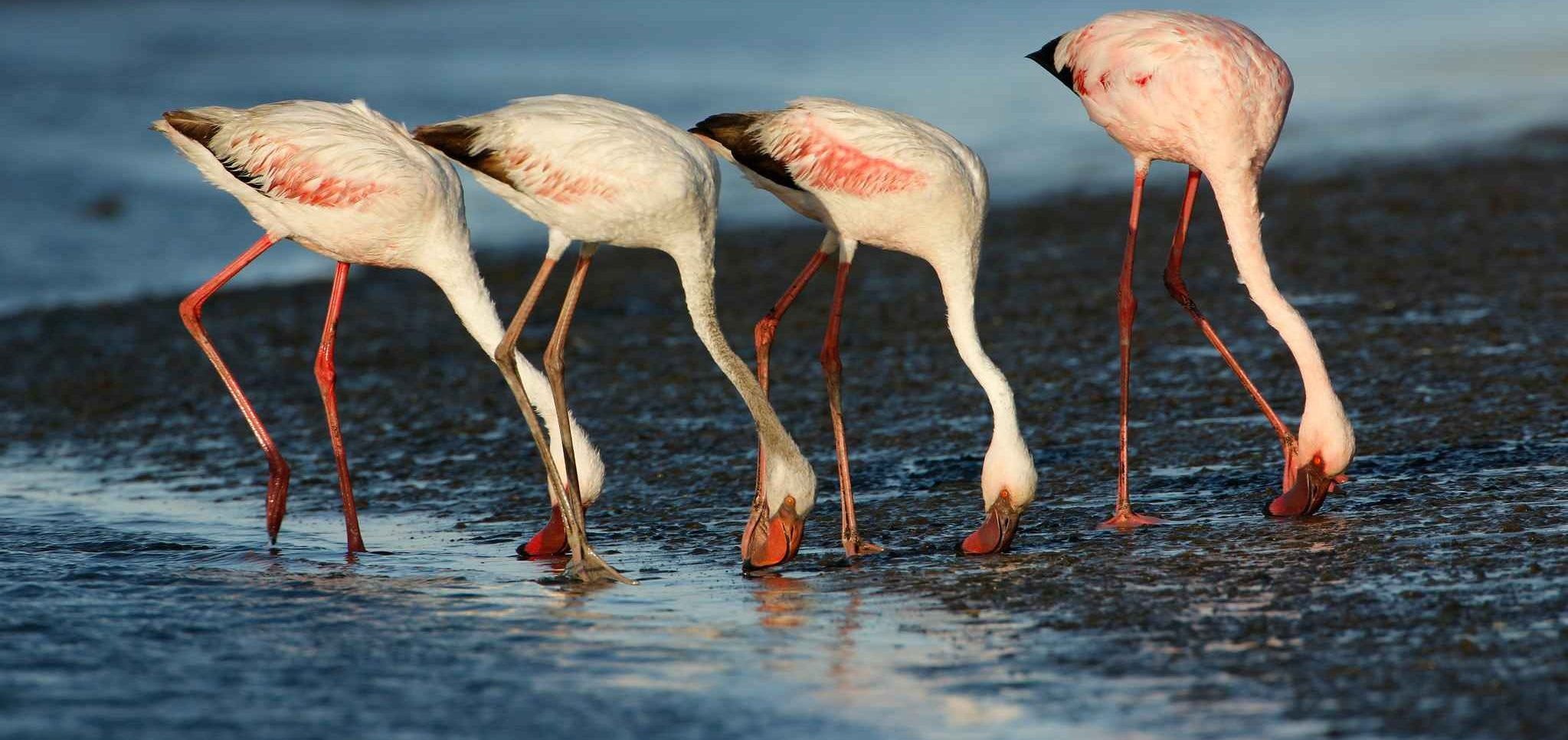
Transfer to the Atlantic coast via scenic mountain passes. Arrive at Cornerstone Guesthouse and explore Walvis Bay Lagoon for flamingos, Damara Tern, Chestnut-banded Plover, and Cape Teal. Overnight in Swakopmund.
5
Gray’s Lark Tour & Coastal Wetlands
Join a half-day specialist tour targeting Gray’s Lark and other desert-adapted birds. Afternoon birding around Swakopmund Salt Works or Rooibank for migrant waders, terns, and coastal raptors. Second night at Cornerstone Guesthouse.
6
Travel Inland to Damaraland – Damara Mopane Lodge
Depart the coast and travel north-east into Damaraland. Arrive at Damara Mopane Lodge. Afternoon birding for Herero Chat, Hartlaub’s Spurfowl, Carp’s Tit, and Short-toed Rock Thrush around the escarpment and mopane bush.
7
Full Day in Damaraland
Explore the surroundings in search of near-endemics. Target species include Bare-cheeked Babbler, Violet Wood-Hoopoe, Monteiro’s Hornbill, and the elusive Rockrunner. Mammals such as Damara Dik-dik and Rock Hyrax may also be seen.
8
Drive to Etosha – Okaukuejo Rest Camp
Transfer into Etosha National Park via Anderson Gate. Afternoon game and birding drive around Okaukuejo waterhole for species like Double-banded Courser, Kori Bustard, and Northern Black Korhaan. Overnight at Okaukuejo Rest Camp.
9
Etosha Game Drives & Birding
Full day exploring the southern and central sections of Etosha. Look out for Secretarybird, Blue Crane, African Hawk-Eagle, and a wide range of waterbirds and game species at key pans. Second night at Okaukuejo.
10
Transfer to Okonjima Nature Reserve
Depart Etosha and drive south to Okonjima Plains Camp, a private reserve known for conservation and wildlife tracking. Afternoon birding around the Omboroko Hills. Look for Violet Wood-Hoopoe, Damara Rockjumper, and Rosy-faced Lovebird.
11
Morning at Okonjima – Return to Windhoek & Departure
Final birding walk around the reserve before heading back to Windhoek. En route birding possible, depending on timing. Arrive in Windhoek for onward flights or overnight extension if needed.