



19 Nov Seychelles Beyond the Beaches: A Wildlife Guide to Praslin, Cousin and La Digue
The Seychelles is often sold as a beach holiday, and with good reason. But the granitic islands also hold remarkable wildlife, from ancient palm forests and endemic birds to seabird colonies and giant tortoises. The most rewarding itinerary need not be an intensive birding expedition. With the right island combination, visitors can enjoy outstanding wildlife experiences in the morning and still have time for the beach in the afternoon.
For many first-time visitors, Praslin and La Digue make an excellent pairing, with a carefully arranged excursion to Cousin Island Special Reserve. The distances look small on a map, but ferry connections, boat conditions and reserve visiting arrangements matter. Here is how we would approach a private holiday that balances wildlife, comfort and time to relax.
Praslin: coco de mer palms and the Seychelles black parrot

Praslin is much more than a base for Anse Lazio and Anse Georgette. Its best-known natural attraction is the Vallée de Mai, a UNESCO World Heritage Site where mature coco de mer palms create a dense, almost prehistoric forest. The reserve is one of the most distinctive habitats in the Indian Ocean, supporting endemic palms, reptiles and birds.
The headline bird is the Seychelles black parrot (Coracopsis barklyi), which occurs naturally only on Praslin. The Seychelles Islands Foundation explains that mature coco de mer forest is particularly important for the species, providing nesting cavities and native palm fruits. It is not simply a matter of finding any attractive tropical forest: the ecological relationship between the palms and parrots is part of what makes this place exceptional.
Black parrots can be heard before they are seen, and a sighting is never guaranteed. A knowledgeable guide helps distinguish calls, locate feeding birds and avoid spending the whole visit staring into the canopy. The reserve also supports Seychelles Blue Pigeon, Seychelles Bulbul, Seychelles Sunbird and several endemic reptiles.
How long should you allow at Vallée de Mai?
Allow at least two hours if wildlife is a serious interest, rather than rushing through the shortest trail. Early visits can be pleasant in the cooler part of the day. The reserve’s official visitor information currently lists opening hours of 08:30–16:30, with last entry at 15:30; check again before travelling. The first section of the forest and visitor centre have wheelchair-accessible facilities, but the full network of trails is not uniformly accessible.
One worthwhile approach is to visit the forest in the morning and leave the afternoon free for the coast. This is a better rhythm for many couples and families than filling every day with excursions.
Cousin Island: a conservation visit worth planning properly
Just offshore from Praslin, Cousin Island Special Reserve offers a very different wildlife experience. Once a coconut plantation, the island has undergone extensive habitat restoration under Nature Seychelles. Its native forest now supports conservation work and a remarkable concentration of birds and other wildlife.
Visitors may encounter Seychelles Warbler, Seychelles Fody, Seychelles Magpie-Robin and numerous seabirds, depending on conditions and the season. The island is also important for nesting Hawksbill Turtles. As always, wildlife encounters should be treated as possibilities, not promised sightings.
What distinguishes Cousin from a casual island-hopping stop is the way visits are managed. Local tour operators bring visitors from Praslin, but the reserve itself controls the final landing. Passengers transfer to a reserve boat offshore to reduce the risk of introducing pests. A reserve warden then leads a guided walk, normally lasting around 75 minutes.
What to know before booking Cousin
Nature Seychelles currently lists weekday morning visits, with the island closed to ordinary visitors at weekends. The published non-resident entry fee is SCR 600, although boat transport is additional and package prices vary. Check both the reserve’s arrangements and your operator’s departure details before paying.
The beach landing can be awkward for anyone with restricted mobility. There is no accommodation, restaurant or shop on the island, so bring drinking water, sun protection and insect repellent. A guided visit can be wonderfully rewarding, but it should not be treated as an ordinary beach excursion.
For guests interested in conservation, the warden-led format is a major part of the appeal. It provides context for the wildlife rather than simply ticking off species.
La Digue: the Seychelles paradise flycatcher and a slower pace
La Digue has a different character again. Its granite boulders and beaches are famous, but the island also protects one of the Seychelles’ most distinctive endemic birds: the Seychelles paradise flycatcher (Terpsiphone corvina), sometimes called the black paradise flycatcher.
The Veuve Special Reserve at Anse Réunion was established to protect breeding and feeding habitat for the species. The Seychelles Parks and Gardens Authority describes the reserve as 21 hectares of woodland, with staff available to help visitors locate birds. It also supports Seychelles Sunbird, Seychelles Bulbul and other native wildlife.
Male paradise flycatchers have long tail streamers, making them particularly striking when moving through shaded woodland. Females look different, and patient observation is more rewarding than trying to chase every movement through the trees. A local guide or reserve staff member can help visitors identify likely territories without disturbing nesting birds.
Unlike a remote island excursion, Veuve can be fitted into an otherwise relaxed day. Visit in the morning, then spend the afternoon exploring La Digue’s beaches and villages. The authority currently lists Monday–Friday opening from 08:00 to 16:00 and Saturday from 09:00 to 15:00, with published non-citizen admission of SCR 150 unguided or SCR 200 guided. Confirm these details before departure.
Should you add Aride or Curieuse?
Both islands can enrich a Seychelles wildlife holiday, but they serve different interests.
Aride for seabirds
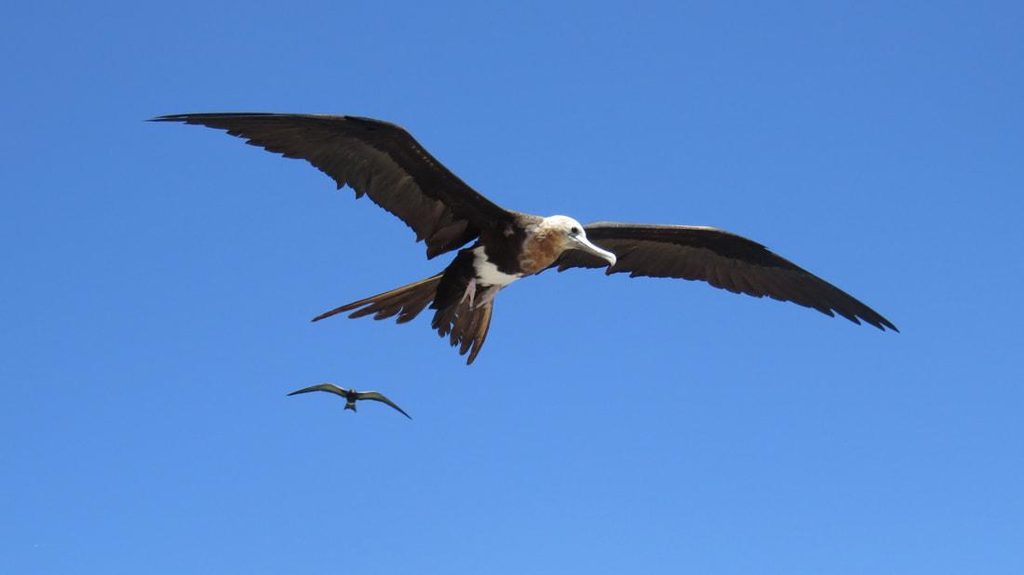
Aride Island Nature Reserve is especially appealing to enthusiastic birdwatchers and wildlife photographers interested in seabird colonies. It requires a dedicated boat excursion, and landing conditions can be affected by sea state. The reserve advises arranging visits early and keeping an alternative date available in case conditions prevent landing.
For a keen birder, Aride may be worth prioritising. For someone who would prefer a single conservation-focused outing, Cousin is often the simpler introduction from Praslin.
Curieuse for giant tortoises and coastal scenery
Curieuse is a useful contrast, with Aldabra Giant Tortoises, coastal trails and opportunities to combine wildlife viewing with time on the water. It is often paired with snorkelling stops, although the exact programme depends on the operator and sea conditions. Visitors should distinguish between a guided nature excursion and a general beach-and-barbecue trip when booking.
How many nights on each island?
For a holiday of around ten to twelve nights, we would generally avoid changing accommodation every two days. A practical starting point is four or five nights on Praslin, three nights on La Digue and the remaining nights on Mahé, depending on flights and personal preferences.
Praslin provides the best base for Vallée de Mai and a Cousin excursion. La Digue deserves enough time to explore independently rather than arriving and leaving in a rush. Mahé can offer a useful final stop, with additional forest birding, scenic drives and a straightforward international departure.
Travellers with only a week should probably choose fewer islands. Those with a longer stay could consider Aride, extra forest walks on Mahé or a carefully planned extension to another island.
What about accommodation?
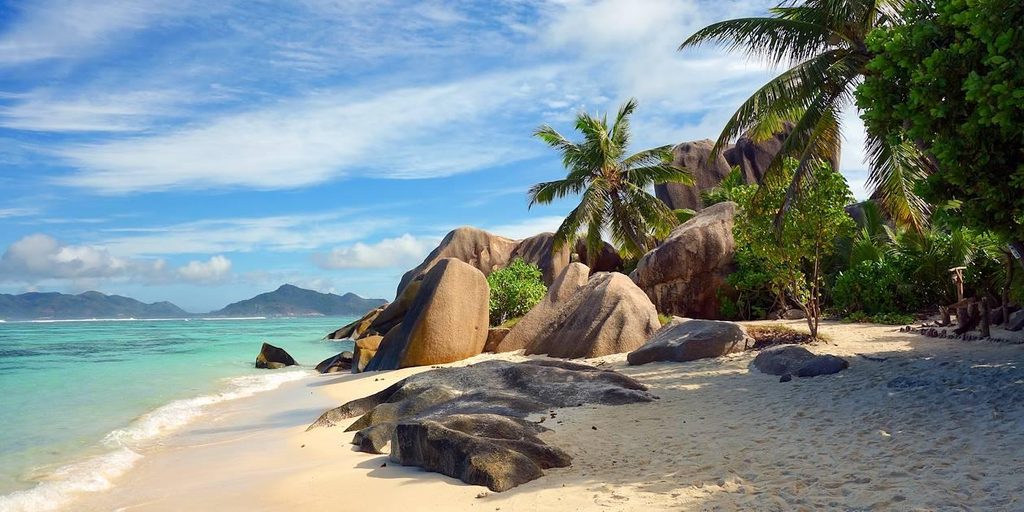
For some guests, a small guesthouse within walking distance of the beach is ideal; others prefer a resort with extensive facilities and more privacy. The right choice depends on more than star rating. Air-conditioning, easy beach access, restaurant options, steps between rooms and communal areas, and transfer logistics can all matter.
On Praslin, location affects how conveniently you can reach both the reserve and boat departure points. On La Digue, staying somewhere that suits a relaxed island rhythm is often more valuable than paying for facilities you will barely use.
When is the best time for a Seychelles wildlife holiday?
There is rewarding wildlife throughout the year, but the conditions for boat excursions vary. The southeast trade winds, broadly from May to September, can bring rougher seas, especially on exposed crossings. April and October are often attractive transitional periods, although no month guarantees calm water.
Birding goals may also influence dates. Breeding seabirds, nesting turtles and seasonal movements each follow their own patterns. We would choose dates around the main wildlife priorities, then check which island visits are operational during that period.
A sensible itinerary also leaves some flexibility. If a Cousin or Aride landing is cancelled because of the sea, having another available morning is considerably better than building the entire holiday around one fixed excursion.
Our advice: make the wildlife part of the holiday, not a separate holiday
The Seychelles works particularly well for couples and families with different interests. One person may want to spend an hour studying a black parrot in the canopy; another may prefer an unhurried morning followed by lunch beside the sea. Both can be accommodated with thoughtful planning.
The key is choosing a few worthwhile wildlife experiences and arranging them properly. Vallée de Mai offers an extraordinary forest ecosystem, Cousin shows what long-term island restoration can achieve, and La Digue combines an important endemic bird with a wonderfully easy-going setting.
At Wild Birding, we design private tailor-made Seychelles holidays that can combine specialist birding, wildlife, conservation visits and comfortable beach stays. Whether you have a list of endemic birds or simply want to experience more of the islands than their beaches, get in touch and we’ll build a route around your interests and pace.
No Comments